^^^^^^^^^^^^^^^^^^^^^^^^^
Kannon-do hall

Amida-do hall


Jizo-do hall

Daikoku-do hall

Benten-do hall

Kyozo

Homotsukan


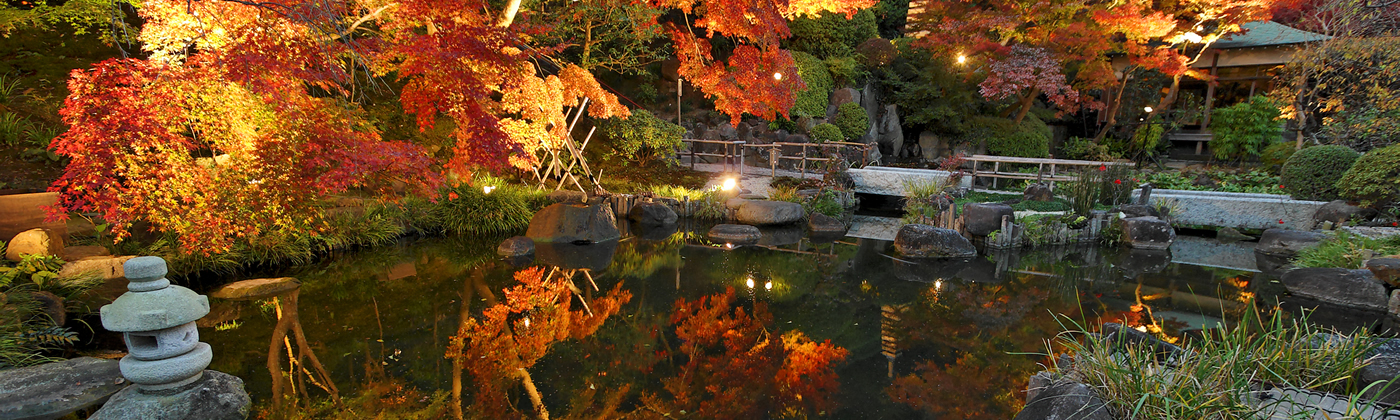
garden

^^^^^^^^^^^^^^^^^^^^^^^^


Tokudo-Shonin


Kannon-do hall


Kannon-do Hall
The magnificent statue of Hase Kannon is housed here for all to see and worship. It is 9.18 meters (30.1 ft.) tall and has eleven heads in addition to its main one: three in front, three to the left and three to the right, plus one at the top and another on back. Each face has a different expression, signifying that the deity listens to the wishes of all types of people. Hase Kannon is unique in that it holds a staff made of tin in its right hand and a vase of lotus flowers in its left. Gold leaf was applied to the statue in 1342 at the request of Ashikaga Takauji, and in 1392, Ashikaga Yoshimitsu had the halo added. Although Kannon is usually described in English as gthe Buddhist Goddess of Mercy,h strictly speaking it is neither masculine nor feminine. Kannon is Avalokitesvara Bodhisattva--a Bodhisattva is a future Buddha, destined for enlightenment, who has vowed to save all sentient beings--and represents compassion, mercy, and love.


11-headed Kanzeon Bosatsu
(Hase Kannon)

  A lucky charm


A charm to be thankful for to avoid a misfortune by wearing it without separating the body
 
Bell

This bell acts as a spiritual replacement for misfortune or bad luck.
Since the bell is made from clay, it will of course someday break. When it does break, it represent a substitution or replacement for actual evil. Instead of the bad luck happening to you, it happens to the bell, and it breaks.

Home Hasedera Tenple Top